Conversely, the younger 20% of our customer base demonstrated higher loyalty (“stickier”) and lower service costs. How was I able to perceive the demography and behaviors of our customers?
I attributed the success to data analysis. Through data, I managed to create eight distinct customer segments, allowing me to discern their characteristics. This insight enabled me to determine which segments to let go, grow, or defend. What types of data did I acquire through this analysis of customer insights?

- Demographic Data:
Socioeconomics attributes include gender, age, education, marital status, income, and occupation. In the example presented above, I was able to decipher the demography of our customers. - Behavioral Data:
I thoroughly examined data from various sources, including purchase history, product/service interactions, advertisements, and multiple channels like websites. For instance, in Google Analytics, I analyzed metrics such as page views, bounce rates, and time spent on site. In the bank scenario mentioned earlier, behavioral data revealed that 80% of our senior customers actively pursued deals and frequently switched when they found more attractive offers elsewhere. - Psychographic Data:
These insights unveil our customers’ personal values, interests, and political views. During the COVID pandemic, I closely monitored the impact of the crisis on public sentiments, including personal and political views. This careful observation guided the tone and style of our communications with customers, ultimately shaping our content strategies.
Deep Dive into Personas
Through data analysis, customers with shared characteristics can be grouped, a process known as segmentation. I assigned names and constructed customer profiles detailing specifics like ages, job titles, locations, goals, needs, and pain points. These profiles give rise to distinct personas, serving as representations of our ideal customers. An example is provided below.
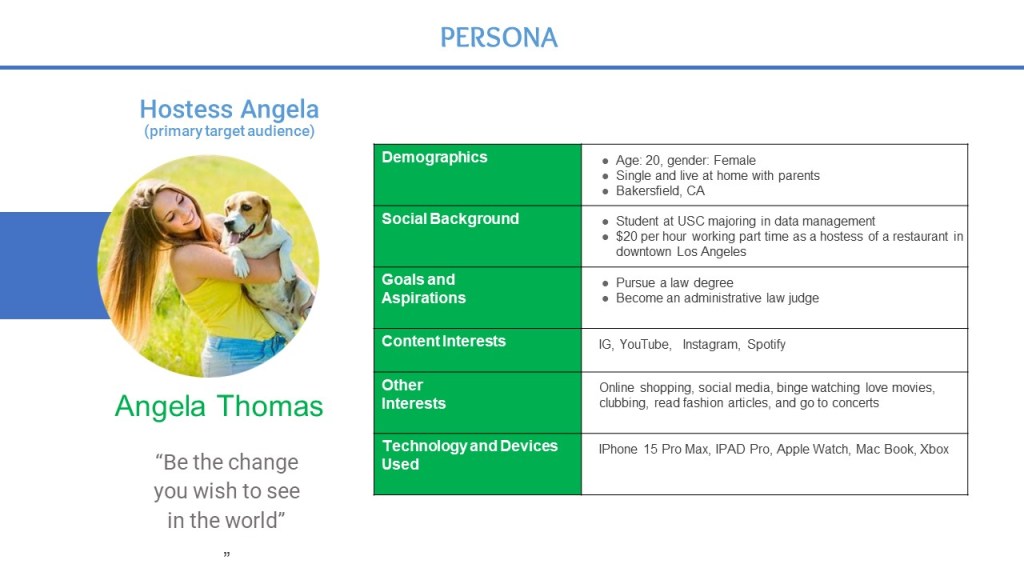
The inclusion of various details about personas depends on the nature of the business. Some enterprises incorporate two or three personas, while others may utilize as many as ten. The quantity is not fixed; it varies based on your objectives, clientele, and products or services. Diverse identities are necessary because one-size-fits-all approaches are ineffective. Marketing strategies must be customized to accommodate individual differences. I even crafted “negative personas,” dubbed “bad apples,” representing those yielding negative ROI and warranting dismissal. In the upcoming blog, I will elaborate on the research process involved in constructing diverse personas.
 ESSENTIAL MARKETING MASTERY
Leave a comment